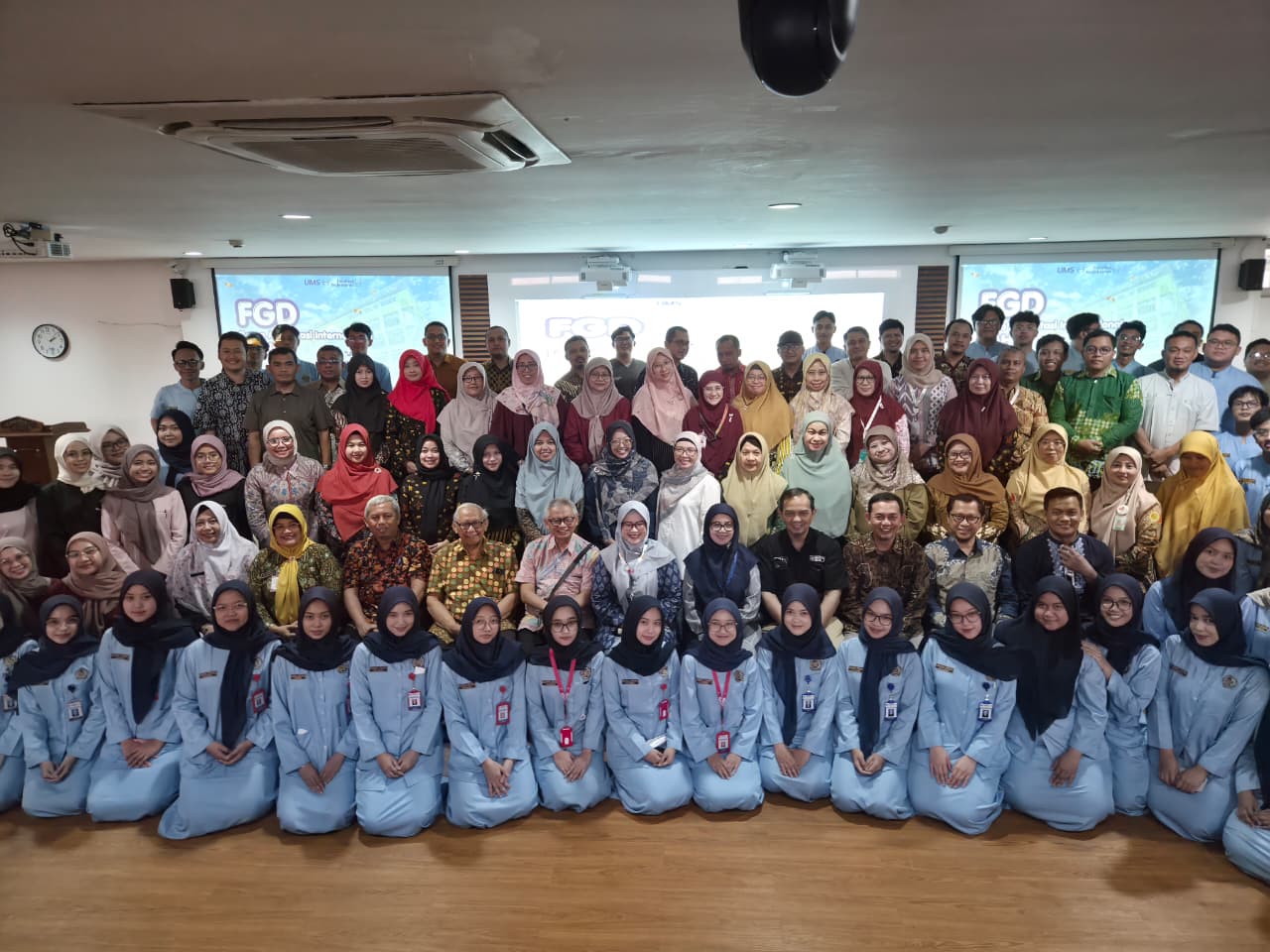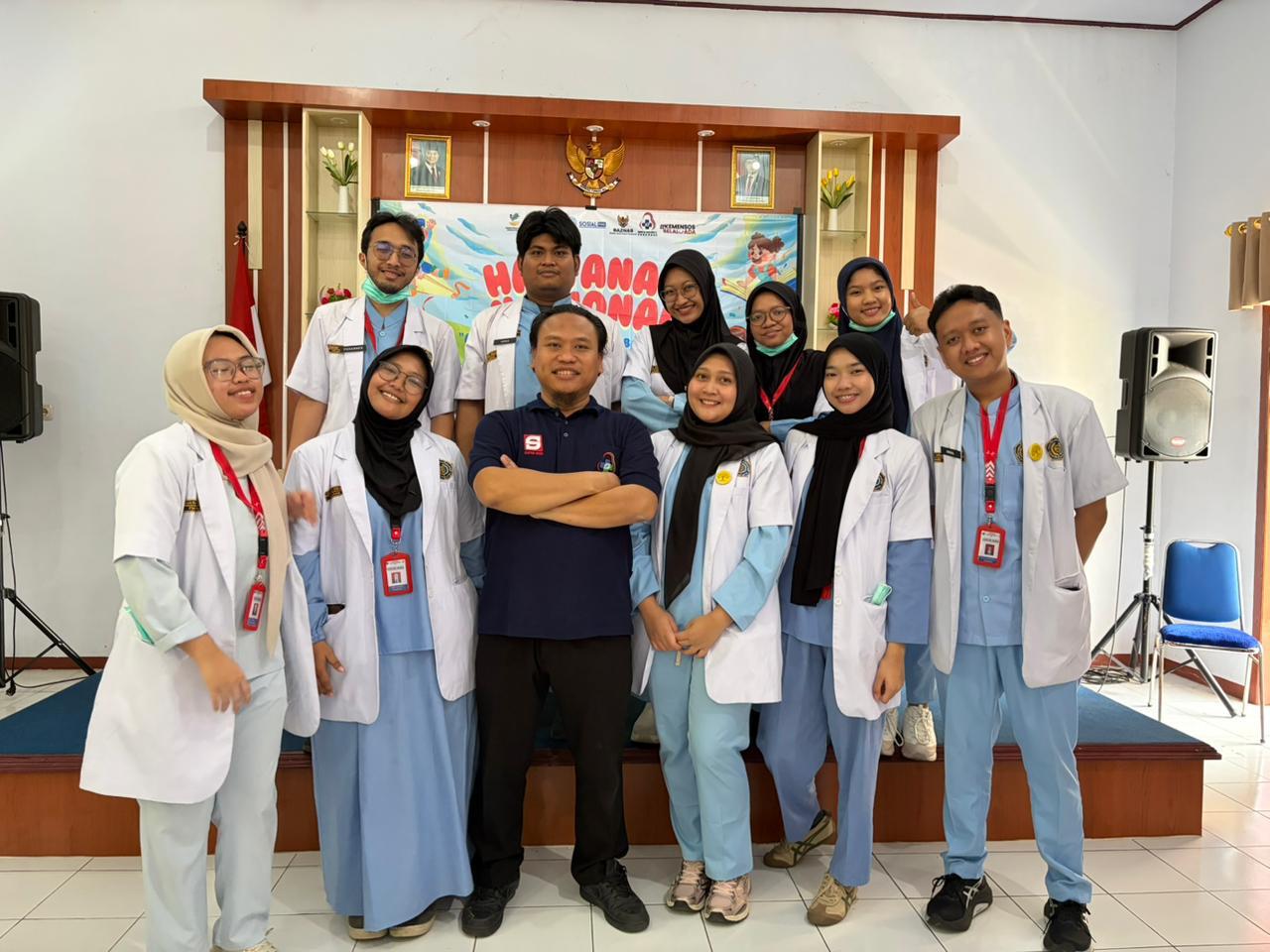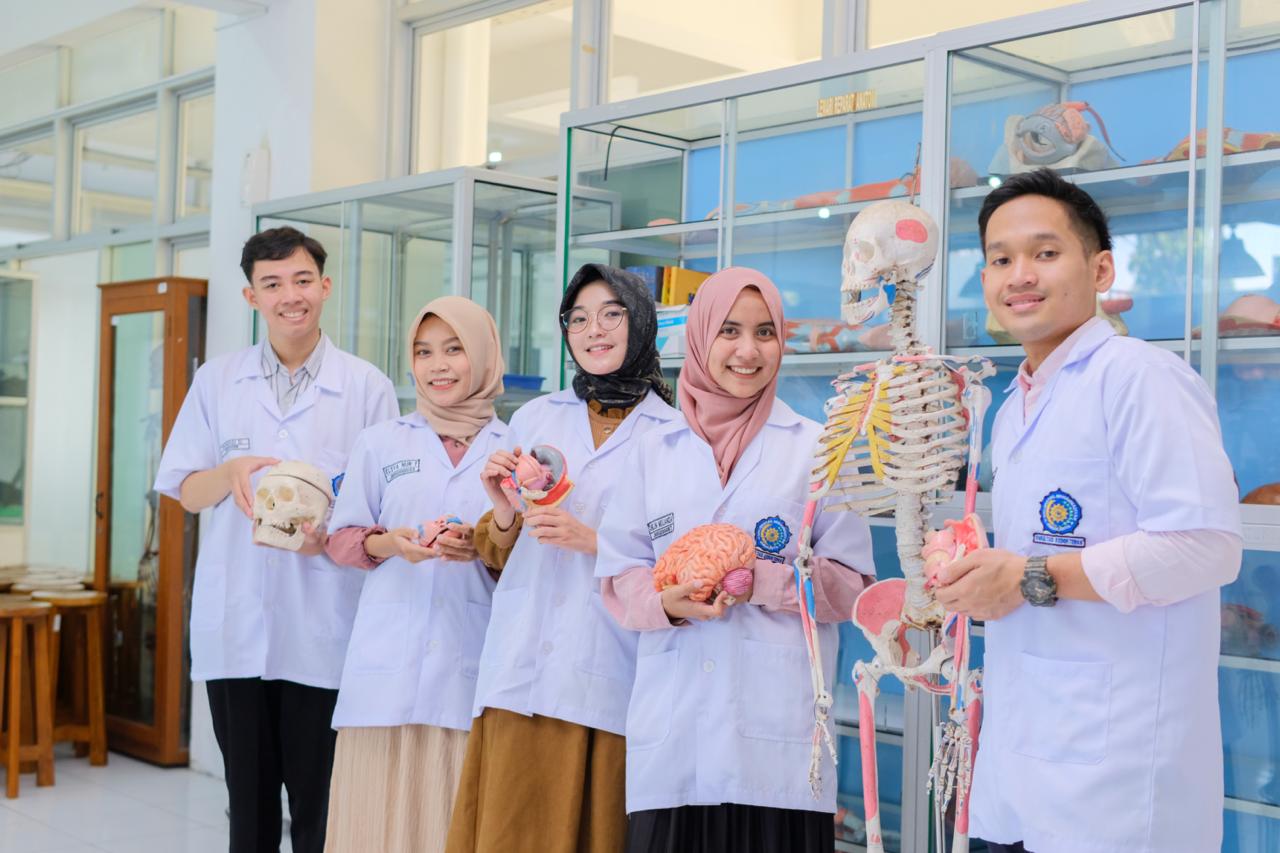

SURAKARTA — Universitas Muhammadiyah Surakarta (UMS) has officially opened the Family Medicine and Primary Care Specialist Medical Education Program (PPDS) based on Decree No. 133/B/O/2026 issued by the Minister of Higher Education, Science, and Technology. The launch of this program is part of UMS’s commitment to strengthening academic development while addressing the national demand for primary care specialists.
UMS Rector, Prof. Dr. Harun Joko Prayitno, M.Hum., stated that the opening of the specialist program is a concrete manifestation of the continuous innovation and institutional development pursued by UMS as a world-class Islamic university.
“UMS as a world-class Islamic university is always committed to continuous innovation. One form of this is vertical academic and institutional development, from undergraduate, professional, master’s, to specialist levels. The addition of the Family Medicine and Primary Care Specialist Program reflects UMS’s commitment to strengthening the health sector,” he said in an interview on Friday (20/2).
He added that UMS now offers a complete range of educational levels at the Faculty of Medicine — from undergraduate, medical professional, master’s in hospital administration, to specialist programs. In addition, a UMS task force is currently preparing a number of other strategic specialist programs as part of efforts to create a campus that is healthy, adaptive, progressive, and moderate.
Meanwhile, the Dean of FK UMS, Dr. dr. Flora Ramona Sigit Prakoeswa, M.Kes., Sp.DVE., Dipl. STD-HIV/AIDS., FINSDV., FAADV., explained that the accelerated establishment of this PPDS is closely tied to a government initiative to address the shortage of specialist doctors in Indonesia. The government established a Task Force for the Acceleration of PPDS Establishment to expedite the opening of specialist programs at medical faculties across the country.
The task force mapped 144 medical faculties throughout Indonesia and offered three PPDS establishment schemes: an independent scheme, a mentorship scheme through partnering with another medical faculty, and a direct mandate scheme from the ministry. Although many institutions withdrew due to the short preparation timeline, FK UMS continued the process and was ultimately declared eligible following a field evaluation by expert teams from the Faculty of Medicine, Universitas Indonesia and the Faculty of Medicine, Universitas Padjadjaran in mid-January.
The Family Medicine and Primary Care Specialist Program, or Sp.KKLP, plays a strategic role in the national healthcare system, particularly in strengthening primary-level healthcare services. Primary care specialists are expected to handle a wide range of health issues comprehensively at primary healthcare facilities, thereby reducing the need for referrals to advanced-level hospitals.
Flora noted that the program also supports the equitable distribution of specialist doctors, especially in underdeveloped, frontier, and outermost regions (3T), to ensure more equitable access to healthcare services for the public.
Flora emphasized that the Sp.KKLP program at FK UMS holds a distinct advantage through the integration of Al-Islam and Kemuhammadiyahan values throughout the entire learning process. This distinguishing feature strengthens FK UMS’s identity in producing specialist doctors who are not only clinically competent but also possess strong integrity and humanitarian values.
With the opening of the Family Medicine and Primary Care PPDS Program under Minister of Higher Education, Science, and Technology Decree No. 133/B/O/2026, the Dean of FK UMS expressed optimism that UMS can make broader contributions in producing quality specialist doctors and supporting the strengthening of the national healthcare system in the future. (Fika/Public Relations)